
Frequently Asked Questions
Working With Culpepper Law
We will give you a price range for the various plan options at the end of the first meeting. But we cannot quote an exact price, because we do not have a 'one-size-fits-all' approach. You will choose which recommended planning fits your needs.
Before we meet, we'll send you some simple "homework": a worksheet that helps you take stock of what you own and who matters in your plan. Return that homework to the office BEFORE your meeting, so that we can give you real advice at the first meeting.
Most plans move from first meeting to signing in a matter of weeks, depending on complexity and how quickly decisions come together. Trust-based plans include time for funding the trust. Funding guidance is built into every plan we deliver, and when needed, our team can assist directly, though most clients choose to handle final asset transfers themselves using our guidance.
It's one of the things families remember most about working with us. We record a guided audio conversation about your life: your story, your values, and the experiences that shaped you. Your family receives the recording as part of your plan, because we believe you have more to pass on than your assets.
Estate Planning Questions
A will is a set of instructions the probate court carries out after your death. A trust is a container that holds your assets and passes them to your family privately, without court involvement. Most families need one or the other as their plan's foundation, and we'll give you an honest recommendation about which one fits your situation. Learn more on our Wills and Trusts pages.
Yes, and possibly more than a wealthy family does. A modest estate can least afford to lose months and thousands of dollars to probate, and every parent of minor children needs to name a guardian regardless of assets. Planning is about protecting people first and property second.
Choose reliability over seniority: someone organized, honest, and willing, who can handle paperwork and family dynamics under stress. Naming backups matters just as much, and for some families a professional or corporate trustee is the right answer. We'll talk through your specific people, not just the theory.
Usually valid, but often not practical. Ohio banks, hospitals, and courts work most smoothly with Ohio-form documents, and moving states is one of the classic triggers for a plan review. If you've relocated to the Dayton area, bring your documents in and we'll tell you what still works.
Probate & Estate Administration Questions
Less than you fear. Focus on your family first; the legal process can wait a few weeks. When you're ready: locate the will or trust, order several death certificates, secure the home, and hold off on paying large bills or distributing anything until you understand the estate's obligations. Then call us and we'll map out the rest.
It's not a catastrophe, but it is public, slow, and more expensive than the alternative. A typical full administration in Ohio runs 9 to 18 months before the family receives what's theirs. That's why so much of estate planning is designed to keep your family out of it. See our Probate page for what the process involves.
Often, yes. Ohio offers simplified procedures for smaller estates that can reduce months of court process to weeks. One of the first things we check is whether the estate qualifies, because families are rarely told these options exist.
Start by not distributing anything yet. As trustee you're a fiduciary under Ohio law, with duties to notify beneficiaries, inventory assets, pay valid debts, and keep records, and honest mistakes can create personal liability. Our Trust Administration service exists exactly for this: we guide you step by step so you're never guessing.
Elder Law Questions
The strongest tool is usually a Medicaid Asset Protection Trust, set up at least five years before care is needed. The house stays theirs to live in for life, but it stops counting against Medicaid eligibility and is shielded from estate recovery. The key is starting early, and our MAPT page explains how it works.
When someone applies for Medicaid to pay for long-term care, Ohio reviews every gift and transfer made in the previous five years. Transfers inside that window can trigger a penalty period when Medicaid won't pay. It's the single biggest reason to plan ahead, and the single biggest trap in do-it-yourself gifting.
No. This is the most costly myth in elder law. Even in a crisis, Ohio law permits strategies that can preserve a meaningful portion of savings, especially when there's a spouse still at home. Before you spend months privately paying, find out what can still be protected.
Yes. The VA's Aid & Attendance pension can provide monthly income toward in-home care, assisted living, or nursing home care for wartime veterans and their surviving spouses. Many eligible families have simply never heard of it. Our VA Benefits page covers who qualifies.
When a loved one can no longer make safe decisions and there's no power of attorney in place, the probate court can appoint a guardian to protect them. It's a valuable safety net, but it's also avoidable in most cases: signed powers of attorney, done while your loved one still has capacity, keep those decisions in the family.

Tom L. Culpepper

Jesse Kufeldt
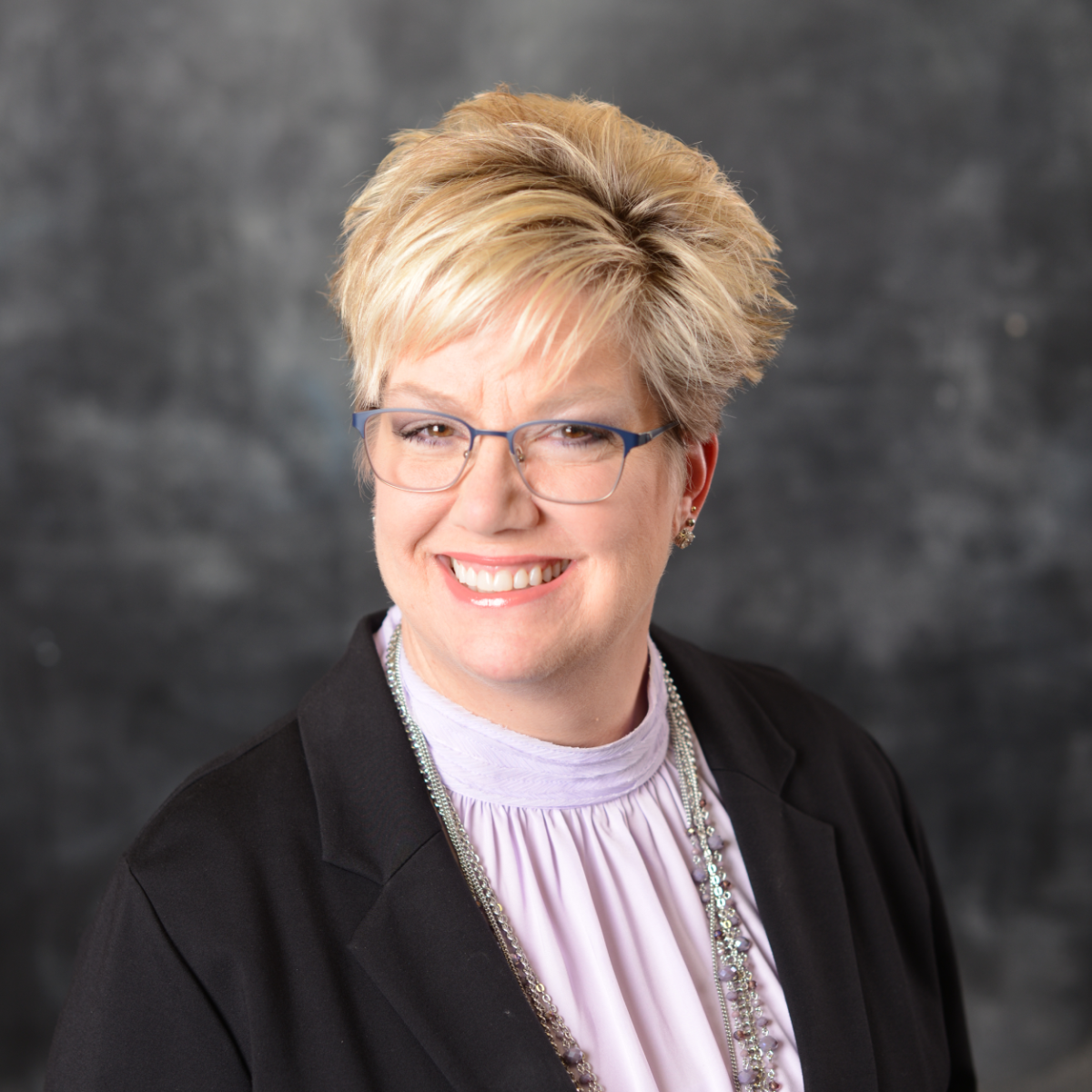
Patty Niswonger

Shelby Arnold
Contact Us
Get a Free Consultation
"*" indicates required fields

Still have questions?
Call +1 (937) 589-4144. We’ll give you a straight answer and point you to the right next step.